Managing Business Waste in West London: Strategies for a Sustainable Future
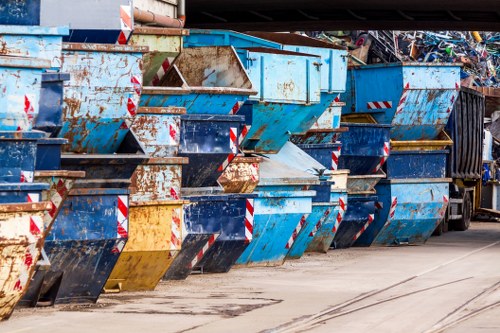
A row of multiple large industrial skip containers lined up on a paved surface, mostly painted in shades of blue with some showing signs of rust, dirt, and wear. The skips are positioned in front of a warehouse or industrial yard setting, with some stacked or leaning slightly, and a black waste collection truck partially visible on the right side. The environment suggests an outdoor waste management area, likely used for collecting and transporting large volumes of rubbish for disposal or recycling, aligning with services provided by Office Clearance West London in the West London area near postal code W postcodes. The overall scene emphasizes the logistics and heavy-duty nature of commercial rubbish collection, with the focus on the sturdy, weathered metal containers designed for waste storage and transport.

In the bustling hub of West London, businesses play a pivotal role in the local economy. However, with economic growth comes the challenge of managing business waste. Efficient waste management is not only essential for compliance with environmental regulations but also for fostering sustainability and reducing operational costs.

Business waste encompasses a variety of materials generated by companies, including paper, plastics, electronic waste, and organic waste. Proper disposal and recycling of these materials are crucial to minimize environmental impact and promote a greener community.

West London businesses are increasingly adopting innovative waste management practices to address the growing concerns of waste accumulation and its detrimental effects on the environment. This article delves into the various aspects of business waste management in West London, exploring effective strategies, regulations, and the benefits of sustainable practices.
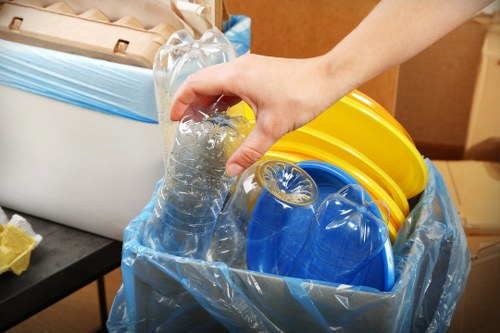
Recycling bins in a commercial West London area

The Importance of Effective Waste Management

Effective waste management is integral to the smooth operation of any business. It ensures that waste is handled responsibly, reducing the risk of environmental pollution and health hazards. Moreover, efficient waste management practices can lead to significant cost savings by minimizing waste disposal fees and enabling the reuse of materials.

In West London, where space is at a premium, proper disposal of business waste helps in maintaining cleanliness and aesthetics of commercial areas. It also plays a role in enhancing a company’s reputation, showcasing its commitment to environmental stewardship.

Businesses that prioritize sustainable waste management are better positioned to meet regulatory requirements and avoid potential fines. Additionally, they can leverage waste reduction initiatives to build trust with customers and stakeholders who value eco-friendly practices.

A young woman with long, straight blonde hair and a bright, friendly expression is standing against a plain white background. She is wearing a light blue, long-sleeved shirt with the sleeves rolled up and beige trousers. In her arms, she is holding several clear plastic bottles, some with traces of liquid visible inside, including a green-tinted bottle, a blue-capped bottle, and a transparent one. The bottles are of various sizes, and she is gripping them securely, cradling them close to her chest. She is giving a positive thumbs-up with her right hand, indicating approval or success. The lighting is even, highlighting the textures of the plastic bottles and her clothing, with no visible environmental context or background details. This image could relate to waste management, recycling initiatives, or environmentally conscious rubbish disposal, aligning with services offered by companies like Office Clearance West London in the borough of Hounslow, near West London. The scene emphasizes recycling and waste reduction themes typical of rubbish removal services in the London area.

Types of Business Waste in West London

Understanding the different types of business waste is the first step towards effective management. In West London, businesses typically generate the following categories of waste:

  • Paper and Cardboard: Office documents, packaging materials, and promotional materials.
  • Plastics: Packaging, containers, and single-use plastics.
  • Electronic Waste: Old computers, phones, and other electronic devices.
  • Organic Waste: Food scraps from restaurants and cafes.
  • Chemical Waste: Cleaning agents and other hazardous materials.

Each type of waste requires specific handling and disposal methods to ensure minimal environmental impact. Proper segregation at the source can significantly enhance recycling efforts and reduce the volume of waste destined for landfills.

Moreover, some types of waste, such as electronic and chemical waste, pose higher risks and necessitate specialized disposal procedures to prevent contamination and health hazards.
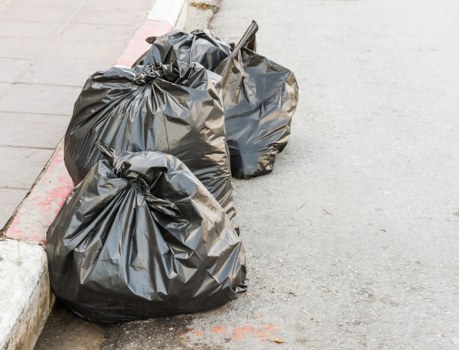
The image shows three large black refuse bags made of thick plastic, filled with waste and placed on a concrete pavement next to a curb and a red-lined parking space in an outdoor urban area. The bags vary slightly in shape and size, with some appearing more rounded and others more compressed, indicating different levels of fullness. The surface of the bags is slightly glossy, with creases and gathers typical of tied-off trash bags. The setting suggests a typical rubbish collection point in West London, with the bags positioned along the edge of the street, possibly awaiting collection by waste management services such as Office Clearance West London. The background reveals a paved area with visible textures of concrete and asphalt, with no other objects or debris in immediate view, emphasizing the focus on the waste bags in this scene dedicated to rubbish disposal or clearance activities.

Regulations Governing Business Waste in West London

Compliance with local and national regulations is critical for businesses in West London when it comes to waste management. The Environmental Protection Act 1990 and the Waste Electrical and Electronic Equipment (WEEE) Regulations 2013 are among the key legislations that businesses must adhere to.

These regulations mandate proper segregation, recycling, and disposal of various types of waste. Non-compliance can result in hefty fines and legal repercussions, making it imperative for businesses to stay informed and compliant.

Additionally, the Landon Sustainability Park initiatives encourage businesses to adopt greener practices, offering support and resources for sustainable waste management. Engaging with local authorities and waste management agencies can help businesses navigate the regulatory landscape effectively.
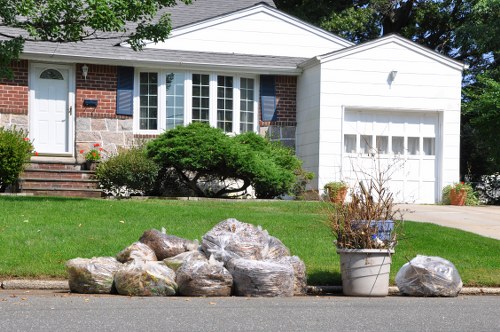
A residential front yard featuring a green grassy area with a small, well-maintained bush and flowering plants near a white driveway garage. In the foreground, several large, irregularly shaped rocks and stones are positioned along the edge of the pavement, with some rocks partially on the curb. Adjacent to the rocks, a metal container filled with dry, brownish plants and twigs is visible. The background shows a modern brick and siding house with a front door, large bay window, and stairs leading up to the entrance, set in a suburban neighbourhood. The scene suggests an area where Waste Management or rubbish collection services might remove yard debris, with the rocks and container representing items scheduled for clearance. The image maintains a bright, natural daylight atmosphere, typical of a West London residential street, reflecting a neat and orderly appearance.

Sustainable Waste Management Practices

Adopting sustainable waste management practices not only benefits the environment but also enhances business efficiency and profitability. Here are some effective strategies for businesses in West London:

  1. Waste Audits: Conduct regular audits to identify the types and quantities of waste generated.
  2. Reduce, Reuse, Recycle: Implement the three Rs to minimize waste production and maximize recycling efforts.
  3. Composting: Utilize composting for organic waste, especially for businesses in the food industry.
  4. E-Waste Recycling: Partner with certified e-waste recyclers to handle electronic disposals responsibly.
  5. Employee Training: Educate staff on proper waste segregation and management practices.

Integrating these practices can lead to significant reductions in waste disposal costs and foster a culture of sustainability within the organization.

Furthermore, companies can explore innovative solutions such as waste-to-energy technologies, which convert waste materials into usable energy, providing a renewable energy source while managing waste effectively.

A row of multiple large industrial skip containers lined up on a paved surface, mostly painted in shades of blue with some showing signs of rust, dirt, and wear. The skips are positioned in front of a warehouse or industrial yard setting, with some stacked or leaning slightly, and a black waste collection truck partially visible on the right side. The environment suggests an outdoor waste management area, likely used for collecting and transporting large volumes of rubbish for disposal or recycling, aligning with services provided by Office Clearance West London in the West London area near postal code W postcodes. The overall scene emphasizes the logistics and heavy-duty nature of commercial rubbish collection, with the focus on the sturdy, weathered metal containers designed for waste storage and transport.

The Role of Recycling in Business Waste Management

Recycling is a cornerstone of effective business waste management. It involves processing used materials to create new products, thereby conserving natural resources and reducing landfill usage. In West London, numerous recycling facilities are available to support businesses in their sustainability efforts.

By implementing robust recycling programs, businesses can significantly decrease their environmental footprint. Materials such as paper, plastics, metals, and glass are among the most commonly recycled items in commercial settings.

Moreover, recycling can lead to cost savings by reducing the need for raw materials and decreasing waste disposal fees. Businesses can also explore opportunities for producing revenue through the sale of recyclable materials, contributing to their overall profitability.

Recycling bins in a commercial West London area

Electronic Waste: Challenges and Solutions

Electronic waste, or e-waste, presents unique challenges due to the hazardous components found in devices like computers, smartphones, and printers. Proper disposal and recycling of e-waste are crucial to prevent soil and water contamination from harmful substances such as lead, mercury, and cadmium.

West London businesses must adhere to the WEEE Regulations, which mandate the responsible handling of electronic waste. Partnering with certified e-waste recyclers ensures that devices are dismantled and recycled according to legal standards.

Additionally, businesses can adopt practices such as extending the lifespan of electronic equipment through maintenance and upgrades, donating functional devices to charities, and implementing e-waste take-back programs to manage obsolete electronics efficiently.

A young woman with long, straight blonde hair and a bright, friendly expression is standing against a plain white background. She is wearing a light blue, long-sleeved shirt with the sleeves rolled up and beige trousers. In her arms, she is holding several clear plastic bottles, some with traces of liquid visible inside, including a green-tinted bottle, a blue-capped bottle, and a transparent one. The bottles are of various sizes, and she is gripping them securely, cradling them close to her chest. She is giving a positive thumbs-up with her right hand, indicating approval or success. The lighting is even, highlighting the textures of the plastic bottles and her clothing, with no visible environmental context or background details. This image could relate to waste management, recycling initiatives, or environmentally conscious rubbish disposal, aligning with services offered by companies like Office Clearance West London in the borough of Hounslow, near West London. The scene emphasizes recycling and waste reduction themes typical of rubbish removal services in the London area.

Organic Waste Management for Local Businesses

For businesses in the food and hospitality sectors, managing organic waste is a critical component of sustainable practices. Organic waste, including food scraps and biodegradable materials, can be composted to create nutrient-rich soil amendments.

West London offers various composting services tailored for businesses, helping to divert organic waste from landfills and reduce greenhouse gas emissions. Implementing on-site composting systems can further streamline waste management processes and promote environmental responsibility.

Moreover, businesses can collaborate with local farms and community gardens to utilize compost produced from their organic waste, fostering a circular economy and supporting local agriculture.

The image shows three large black refuse bags made of thick plastic, filled with waste and placed on a concrete pavement next to a curb and a red-lined parking space in an outdoor urban area. The bags vary slightly in shape and size, with some appearing more rounded and others more compressed, indicating different levels of fullness. The surface of the bags is slightly glossy, with creases and gathers typical of tied-off trash bags. The setting suggests a typical rubbish collection point in West London, with the bags positioned along the edge of the street, possibly awaiting collection by waste management services such as Office Clearance West London. The background reveals a paved area with visible textures of concrete and asphalt, with no other objects or debris in immediate view, emphasizing the focus on the waste bags in this scene dedicated to rubbish disposal or clearance activities.

Cost Implications of Business Waste Management

Effective waste management can positively impact a business’s bottom line by reducing disposal costs and enhancing operational efficiency. While there may be initial investments in waste management infrastructure, the long-term savings and benefits are substantial.

By minimizing waste generation, businesses can lower the frequency and volume of waste pickups, leading to decreased disposal fees. Additionally, recycling and reusing materials can reduce the need for purchasing new raw materials, further cutting costs.

Investing in sustainable waste management practices can also improve a company’s marketability and appeal to environmentally conscious consumers, potentially increasing revenue and market share.

A residential front yard featuring a green grassy area with a small, well-maintained bush and flowering plants near a white driveway garage. In the foreground, several large, irregularly shaped rocks and stones are positioned along the edge of the pavement, with some rocks partially on the curb. Adjacent to the rocks, a metal container filled with dry, brownish plants and twigs is visible. The background shows a modern brick and siding house with a front door, large bay window, and stairs leading up to the entrance, set in a suburban neighbourhood. The scene suggests an area where Waste Management or rubbish collection services might remove yard debris, with the rocks and container representing items scheduled for clearance. The image maintains a bright, natural daylight atmosphere, typical of a West London residential street, reflecting a neat and orderly appearance.

Future Trends in Business Waste Management

The landscape of business waste management is continually evolving, with emerging trends aimed at enhancing sustainability and efficiency. In West London, several key trends are shaping the future of waste management for businesses:

  • Circular Economy Models: Emphasizing the reuse and recycling of materials to create closed-loop systems.
  • Advanced Recycling Technologies: Utilizing innovative technologies like chemical recycling to process complex waste streams.
  • Digital Waste Tracking: Implementing software solutions to monitor and optimize waste management processes.
  • Zero Waste Goals: Setting ambitious targets to eliminate all waste through comprehensive reduction and recycling strategies.
  • Sustainable Packaging: Adopting eco-friendly packaging materials to reduce waste generation at the source.

Staying abreast of these trends enables businesses in West London to proactively address waste management challenges and capitalize on opportunities for sustainable growth.

Embracing innovation and fostering a culture of continuous improvement in waste management can position businesses as leaders in environmental responsibility, driving positive change within the community.

A row of multiple large industrial skip containers lined up on a paved surface, mostly painted in shades of blue with some showing signs of rust, dirt, and wear. The skips are positioned in front of a warehouse or industrial yard setting, with some stacked or leaning slightly, and a black waste collection truck partially visible on the right side. The environment suggests an outdoor waste management area, likely used for collecting and transporting large volumes of rubbish for disposal or recycling, aligning with services provided by Office Clearance West London in the West London area near postal code W postcodes. The overall scene emphasizes the logistics and heavy-duty nature of commercial rubbish collection, with the focus on the sturdy, weathered metal containers designed for waste storage and transport.

Implementing Best Practices for Waste Reduction

Adopting best practices in waste reduction is essential for businesses aiming to enhance sustainability and operational efficiency. Here are some actionable steps for companies in West London:

  1. Conduct Waste Audits: Regularly assess the types and quantities of waste generated to identify reduction opportunities.
  2. Optimize Resource Use: Implement measures to use resources more efficiently, minimizing waste production.
  3. Engage Employees: Foster a culture of sustainability by involving staff in waste reduction initiatives and providing training.
  4. Adopt Digital Solutions: Transition to paperless processes and utilize digital tools to reduce paper waste.
  5. Collaborate with Suppliers: Work with vendors to source sustainable materials and packaging, reducing overall waste footprint.

By incorporating these best practices, businesses can achieve significant reductions in waste generation, contributing to environmental preservation and cost savings.

Furthermore, demonstrating a commitment to waste reduction can enhance a company’s reputation and appeal to eco-conscious consumers and partners.

Recycling bins in a commercial West London area

Choosing the Right Waste Management Partner

Selecting a reliable waste management partner is crucial for businesses in West London to ensure effective and compliant waste disposal. A competent partner provides tailored solutions that align with a company’s specific needs and sustainability goals.

When evaluating waste management providers, consider factors such as their experience, range of services, adherence to environmental regulations, and commitment to sustainability. It is also beneficial to choose partners that offer comprehensive reporting and tracking to monitor waste management performance.

By collaborating with the right waste management partner, businesses can streamline their waste disposal processes, enhance recycling efforts, and achieve their environmental objectives with greater ease.

A young woman with long, straight blonde hair and a bright, friendly expression is standing against a plain white background. She is wearing a light blue, long-sleeved shirt with the sleeves rolled up and beige trousers. In her arms, she is holding several clear plastic bottles, some with traces of liquid visible inside, including a green-tinted bottle, a blue-capped bottle, and a transparent one. The bottles are of various sizes, and she is gripping them securely, cradling them close to her chest. She is giving a positive thumbs-up with her right hand, indicating approval or success. The lighting is even, highlighting the textures of the plastic bottles and her clothing, with no visible environmental context or background details. This image could relate to waste management, recycling initiatives, or environmentally conscious rubbish disposal, aligning with services offered by companies like Office Clearance West London in the borough of Hounslow, near West London. The scene emphasizes recycling and waste reduction themes typical of rubbish removal services in the London area.

Benefits of Sustainable Waste Management

Implementing sustainable waste management practices offers numerous benefits for businesses in West London:

  • Environmental Protection: Reduces pollution and conserves natural resources by minimizing waste and promoting recycling.
  • Cost Savings: Lowers waste disposal fees and decreases the need for raw material purchases through efficient resource use.
  • Regulatory Compliance: Ensures adherence to waste management laws and avoids potential fines and legal issues.
  • Enhanced Reputation: Builds trust with consumers and stakeholders by demonstrating a commitment to sustainability.
  • Operational Efficiency: Streamlines waste handling processes, leading to more efficient business operations.

These advantages not only contribute to the well-being of the environment but also support the long-term success and resilience of businesses in the competitive West London market.

Moreover, adopting sustainable waste management practices can open doors to new business opportunities, grants, and incentives aimed at promoting environmental responsibility.

The image shows three large black refuse bags made of thick plastic, filled with waste and placed on a concrete pavement next to a curb and a red-lined parking space in an outdoor urban area. The bags vary slightly in shape and size, with some appearing more rounded and others more compressed, indicating different levels of fullness. The surface of the bags is slightly glossy, with creases and gathers typical of tied-off trash bags. The setting suggests a typical rubbish collection point in West London, with the bags positioned along the edge of the street, possibly awaiting collection by waste management services such as Office Clearance West London. The background reveals a paved area with visible textures of concrete and asphalt, with no other objects or debris in immediate view, emphasizing the focus on the waste bags in this scene dedicated to rubbish disposal or clearance activities.

Community Impact of Business Waste Management

The approach businesses take towards waste management significantly impacts the local community in West London. Responsible waste handling reduces environmental pollution, enhances public health, and maintains the aesthetic appeal of the area.

By fostering partnerships with local recycling centers and participating in community clean-up initiatives, businesses can contribute positively to their surroundings. Such collaborations not only improve local environments but also strengthen community relations and support regional sustainability goals.

Furthermore, businesses can engage in educational programs to raise awareness about waste reduction and recycling, empowering community members to adopt eco-friendly practices in their daily lives.

A residential front yard featuring a green grassy area with a small, well-maintained bush and flowering plants near a white driveway garage. In the foreground, several large, irregularly shaped rocks and stones are positioned along the edge of the pavement, with some rocks partially on the curb. Adjacent to the rocks, a metal container filled with dry, brownish plants and twigs is visible. The background shows a modern brick and siding house with a front door, large bay window, and stairs leading up to the entrance, set in a suburban neighbourhood. The scene suggests an area where Waste Management or rubbish collection services might remove yard debris, with the rocks and container representing items scheduled for clearance. The image maintains a bright, natural daylight atmosphere, typical of a West London residential street, reflecting a neat and orderly appearance.

Technological Innovations in Waste Management

Advancements in technology are revolutionizing waste management practices, offering businesses in West London innovative solutions to handle waste more efficiently and sustainably. Emerging technologies include:

  • Smart Bins: Equipped with sensors to monitor waste levels and optimize collection schedules.
  • Automated Sorting Systems: Use artificial intelligence to sort recyclables from non-recyclables with greater accuracy.
  • Waste-to-Energy Technologies: Convert waste materials into renewable energy sources, reducing reliance on fossil fuels.
  • Blockchain for Waste Tracking: Enhances transparency and traceability in the waste management supply chain.
  • 3D Printing: Utilizes recycled materials to create new products, promoting a circular economy.

Incorporating these technologies into waste management strategies can enhance efficiency, reduce costs, and promote environmental sustainability for businesses in West London.

Staying updated with technological advancements enables companies to implement best-in-class waste management practices, positioning themselves as leaders in sustainability.

A row of multiple large industrial skip containers lined up on a paved surface, mostly painted in shades of blue with some showing signs of rust, dirt, and wear. The skips are positioned in front of a warehouse or industrial yard setting, with some stacked or leaning slightly, and a black waste collection truck partially visible on the right side. The environment suggests an outdoor waste management area, likely used for collecting and transporting large volumes of rubbish for disposal or recycling, aligning with services provided by Office Clearance West London in the West London area near postal code W postcodes. The overall scene emphasizes the logistics and heavy-duty nature of commercial rubbish collection, with the focus on the sturdy, weathered metal containers designed for waste storage and transport.

Case Studies: Success Stories in West London

Several businesses in West London have successfully implemented effective waste management strategies, serving as models for others to emulate. These case studies highlight the practical benefits and positive outcomes of sustainable practices.

XYZ Corporation: By conducting a comprehensive waste audit, XYZ Corporation identified key areas for waste reduction. Implementing recycling programs and optimizing resource use led to a 30% decrease in waste generation and significant cost savings.

Green Eats Café: This local café adopted composting for its organic waste and switched to eco-friendly packaging. These initiatives not only reduced waste disposal costs but also attracted environmentally conscious customers, boosting their business.

Recycling bins in a commercial West London area

Overcoming Challenges in Waste Management

Despite the benefits, businesses may face challenges in implementing effective waste management practices. Common obstacles include limited resources, lack of awareness, and resistance to change.

To overcome these challenges, businesses can:

  • Seek Expert Guidance: Collaborate with waste management professionals to develop tailored strategies.
  • Invest in Training: Educate employees about the importance of waste reduction and proper disposal methods.
  • Leverage Technology: Utilize digital tools and technologies to streamline waste management processes.
  • Establish Clear Goals: Set achievable waste reduction targets and monitor progress regularly.
  • Foster a Culture of Sustainability: Encourage and incentivize sustainable practices within the organization.

Addressing these challenges proactively can facilitate the successful adoption of sustainable waste management practices, leading to long-term benefits for businesses and the community.

Additionally, fostering collaboration and sharing best practices with other local businesses can create a supportive network for advancing sustainability goals.

A young woman with long, straight blonde hair and a bright, friendly expression is standing against a plain white background. She is wearing a light blue, long-sleeved shirt with the sleeves rolled up and beige trousers. In her arms, she is holding several clear plastic bottles, some with traces of liquid visible inside, including a green-tinted bottle, a blue-capped bottle, and a transparent one. The bottles are of various sizes, and she is gripping them securely, cradling them close to her chest. She is giving a positive thumbs-up with her right hand, indicating approval or success. The lighting is even, highlighting the textures of the plastic bottles and her clothing, with no visible environmental context or background details. This image could relate to waste management, recycling initiatives, or environmentally conscious rubbish disposal, aligning with services offered by companies like Office Clearance West London in the borough of Hounslow, near West London. The scene emphasizes recycling and waste reduction themes typical of rubbish removal services in the London area.

Environmental Benefits of Proper Waste Management

Effective waste management has profound environmental benefits, contributing to the preservation of natural resources and the reduction of pollution. Key environmental advantages include:

  • Resource Conservation: Recycling and reusing materials reduce the need for extracting raw resources, preserving ecosystems.
  • Waste Reduction: Minimizing waste generation decreases the burden on landfills and extends their lifespan.
  • Energy Savings: Recycling processes often consume less energy compared to manufacturing products from virgin materials.
  • Reduced Greenhouse Gas Emissions: Proper waste management practices lower emissions from waste decomposition and incineration.
  • Protection of Biodiversity: Preventing pollution safeguards habitats and the diverse species that depend on them.

These environmental benefits not only support global sustainability goals but also enhance the quality of life in West London by fostering a cleaner and healthier environment.

Moreover, businesses that contribute to environmental preservation can play a significant role in combating climate change and promoting ecological balance.

The image shows three large black refuse bags made of thick plastic, filled with waste and placed on a concrete pavement next to a curb and a red-lined parking space in an outdoor urban area. The bags vary slightly in shape and size, with some appearing more rounded and others more compressed, indicating different levels of fullness. The surface of the bags is slightly glossy, with creases and gathers typical of tied-off trash bags. The setting suggests a typical rubbish collection point in West London, with the bags positioned along the edge of the street, possibly awaiting collection by waste management services such as Office Clearance West London. The background reveals a paved area with visible textures of concrete and asphalt, with no other objects or debris in immediate view, emphasizing the focus on the waste bags in this scene dedicated to rubbish disposal or clearance activities.

Legal Responsibilities of Businesses

Businesses in West London have legal obligations regarding waste management. Failure to comply with waste disposal regulations can result in severe penalties and damage to a company's reputation.

Key legal responsibilities include:

  • Proper Waste Segregation: Separating waste into appropriate categories for disposal and recycling.
  • Record-Keeping: Maintaining accurate records of waste generation, disposal, and recycling activities.
  • Reporting: Submitting mandatory reports to regulatory authorities detailing waste management practices.
  • Licensing: Obtaining necessary licenses and permits for waste disposal and recycling operations.
  • Adherence to Hazardous Waste Regulations: Ensuring safe handling and disposal of hazardous materials.

By understanding and fulfilling these legal responsibilities, businesses can operate smoothly and avoid legal complications related to waste management.

Additionally, staying informed about updates to waste management laws and adapting practices accordingly is crucial for ongoing compliance and sustainability.

A residential front yard featuring a green grassy area with a small, well-maintained bush and flowering plants near a white driveway garage. In the foreground, several large, irregularly shaped rocks and stones are positioned along the edge of the pavement, with some rocks partially on the curb. Adjacent to the rocks, a metal container filled with dry, brownish plants and twigs is visible. The background shows a modern brick and siding house with a front door, large bay window, and stairs leading up to the entrance, set in a suburban neighbourhood. The scene suggests an area where Waste Management or rubbish collection services might remove yard debris, with the rocks and container representing items scheduled for clearance. The image maintains a bright, natural daylight atmosphere, typical of a West London residential street, reflecting a neat and orderly appearance.

Conclusion: Taking Action Towards Sustainable Waste Management

Managing business waste in West London is a multifaceted endeavor that requires strategic planning, adherence to regulations, and a commitment to sustainability. By implementing effective waste management practices, businesses can not only comply with legal requirements but also contribute to environmental preservation and operational efficiency.

Embracing sustainable waste management leads to numerous benefits, including cost savings, enhanced reputation, and positive community impact. As West London continues to grow, the collective efforts of businesses in managing waste responsibly will play a crucial role in shaping a sustainable and prosperous future.

Contact us today to learn more about how your business can implement effective waste management strategies and contribute to a greener West London. Book your service now and take the first step towards sustainable operations.

Frequently Asked Questions

We employ the latest waste management technologies and industry-approved methods to handle your business waste efficiently. Our fleet of modern trucks and specialized equipment ensure safe and timely disposal or recycling. With over 20 years of experience, you can trust us to manage your waste seamlessly. Contact our team for a quick quote.

Yes, we are proudly accredited by leading industry bodies such as the Environmental Protection Agency (EPA) and the Waste Management Association. These accreditations reflect our commitment to high standards and best practices in waste handling. Trust our certified team to provide reliable and compliant services. Reach out to us today for more information.

Absolutely. We hold all necessary certifications and comprehensive insurance to guarantee that our waste disposal services comply with local and national regulations. This ensures peace of mind for your business, knowing that your waste is managed legally and safely. Contact us for a quick quote and verify our compliance credentials.

Our recycling rate exceeds 85%, demonstrating our strong commitment to environmental responsibility. We prioritize diverting waste from landfills by recycling and reusing materials whenever possible. Our sustainable practices help your business reduce its environmental footprint. Get in touch with us to learn more about our eco-friendly waste solutions.

With over 25 years in the industry, we have a proven track record of delivering reliable and effective business waste management solutions. Our extensive experience ensures that we understand and meet the unique needs of your business. Trust our seasoned professionals to handle your waste efficiently. Contact our team for a quick quote.

Yes, we offer safe and affordable waste management solutions tailored to your business needs. Our competitive pricing ensures you receive top-quality service without breaking your budget. Additionally, our safety protocols protect your employees and the environment. Reach out today to find out how we can support your business with cost-effective waste solutions.

We believe in complete transparency when it comes to pricing. Our quotes are clear and detailed, with no hidden fees, so you know exactly what to expect. We work with you to create a waste management plan that fits your budget and requirements. Contact us for a straightforward and honest quote.

Yes, we are a licensed and trusted waste disposal provider serving numerous locations. Our local expertise ensures timely and efficient service tailored to your area's regulations and needs. Whether you're near the city or in a suburban area, we have the resources to manage your business waste effectively. Get in touch to find out if we serve your area.

We handle a wide range of business waste, including general office waste, industrial waste, hazardous materials, and electronic waste. Our specialized services ensure that each type of waste is managed according to best practices and regulatory standards. Let us customize a waste management plan that suits your specific needs. Contact our team for a quick quote.

We offer flexible scheduling options to accommodate your business hours and operational requirements. Whether you need daily, weekly, or on-demand pickups, we can create a schedule that minimizes disruptions and ensures timely waste removal. Our reliable service keeps your workplace clean and compliant. Reach out to discuss the best scheduling option for your business.

We follow strict protocols and comply with all regulations for the ethical disposal of hazardous waste. Our trained professionals use specialized equipment and procedures to safely handle, transport, and dispose of hazardous materials, minimizing environmental impact. Trust us to manage your hazardous waste responsibly and ethically. Contact us for more details.

Our comprehensive waste management services stand out due to our extensive industry experience, reliable customer service, and commitment to environmental sustainability. We offer tailored solutions, competitive pricing, and hold all necessary certifications and accreditations. Partner with us for the best in business waste management and enjoy peace of mind knowing your waste is in expert hands. Get in touch today!
Office Clearance West London

Explore effective strategies and sustainable practices for managing business waste in West London. Learn about regulations, recycling, cost-saving methods, and future trends to ensure environmental compliance and operational efficiency.

Book Your Service Now

Get In Touch With Us.

Please fill out the form below to send us an email and we will get back to you as soon as possible.