Spring 2026 Garden Waste Collection Tips for West London
Spring in West London has a habit of sneaking up on people. One week the garden looks like it has survived winter fairly well, and the next you're staring at a tangle of hedge cuttings, soggy leaves, broken pots and that one corner of the patio that seems to have collected everything except sunshine. If you're planning ahead, these Spring 2026 Garden Waste Collection Tips for West London will help you clear green waste quickly, avoid common mistakes, and choose the right collection approach without turning the job into a weekend saga.
Whether you're tidying a small courtyard in Chiswick, sorting a larger garden near Fulham, or dealing with a post-pruning mountain in Ealing, the same basics apply: separate the right materials, plan your collection properly, and keep the load manageable. That sounds simple. In real life, it rarely is. So let's make it easier.
Table of Contents
- Why Spring 2026 Garden Waste Collection Tips for West London Matters
- How Spring 2026 Garden Waste Collection Tips for West London Works
- Key Benefits and Practical Advantages
- Who This Is For and When It Makes Sense
- Step-by-Step Guidance
- Expert Tips for Better Results
- Common Mistakes to Avoid
- Tools, Resources and Recommendations
- Law, Compliance, Standards, or Best Practice
- Options, Methods, or Comparison Table
- Case Study or Real-World Example
- Practical Checklist
- Conclusion
- Frequently Asked Questions
Why Spring 2026 Garden Waste Collection Tips for West London Matters
Spring is when outdoor spaces begin to wake up, and the waste that has been quietly accumulating over winter suddenly becomes visible. Cut back a shrub and you have a pile. Sweep one border and you have another. Remove a few dead plants and, somehow, half a bag turns into four. West London gardens tend to be a mix of compact spaces, mature planting, shared access, and limited storage, which makes the logistics more awkward than people expect.
That is why good planning matters. If you wait until the weekend of the collection, you may end up with overfilled bags, mixed waste, and nowhere to store it safely. Spring also brings damp weather, windy days, and the first burst of growth. All of that changes how you should package and schedule garden waste. The job is not just about removal; it is about doing it in a way that keeps your garden usable and your path clear.
For homes in areas such as Hammersmith, Notting Hill, and North Kensington, access can be tighter than people assume. Front garden, back garden, shared alley, basement steps - all of these change how easy a collection will be. The better the prep, the smoother the outcome. And yes, it saves you from that awkward moment of dragging a thorny bundle through the house and regretting every decision.
Expert summary: The best spring garden waste collection is usually the one that starts before the first bag is filled. Sort early, separate material properly, and plan access before collection day.
How Spring 2026 Garden Waste Collection Tips for West London Works
Garden waste collection works best when you treat it as a sequence rather than a single task. First, identify what needs to go. Then separate green waste from anything else. After that, bundle or bag it in a way that is easy to lift, move, and collect. Simple enough in theory, but the details matter.
Green waste normally includes grass cuttings, hedge trimmings, small branches, leaves, weeds, and plant material. It is not the same as general rubbish, and it should not be mixed with food waste, builders' rubble, or old household junk. A lot of people end up combining everything into one pile because it is quicker in the moment. Unfortunately, quicker in the moment often means slower later.
If you are arranging a clearance through a wider tidy-up, it can be sensible to combine services. A garage filled with broken tools and garden overflow might be easier to tackle through garage clearance, while a general spring reset that includes old shelving, bags, and household clutter may suit home clearance or house clearance. The point is not to overcomplicate it. It is to match the collection method to the actual waste.
In practical terms, a good collection process usually follows this pattern:
- Walk the garden and identify all waste streams.
- Separate green waste from plastics, soil, timber, metal, and general junk.
- Cut long branches down to sensible lengths.
- Use strong bags or bundles that can be lifted safely.
- Leave a clear route for removal.
- Confirm where items should be placed for collection.
That last step matters more than people think. A neat pile in the wrong place can slow everything down, especially in narrow side returns or shared access spaces. A clear route saves time and reduces the chance of damage to walls, planters, or paving slabs. Tiny detail. Big difference.
Key Benefits and Practical Advantages
Good garden waste collection is not just about making the garden look tidy, though that is obviously nice. It also reduces hassle, keeps the space safer, and helps you avoid buildup that becomes harder to shift later. Spring is the ideal time to reset before the season gets busier.
The practical benefits are easy to see:
- Cleaner outdoor space: Clearing dead growth makes borders, patios, and paths usable again.
- Less strain: Breaking jobs into smaller, planned collections is easier on your back and your time.
- Better safety: Removed branches, broken pots, and slippery debris reduce trip hazards.
- Improved access: Once clutter is gone, lawn care and planting become much easier.
- More control: You decide what stays, what goes, and when it leaves.
There is also a quieter advantage: you tend to enjoy the garden more afterwards. A clean patio with spring light on it feels different from one half-buried under old compost sacks and cuttings. It is a small thing, but it changes how you use the space.
For flats and smaller properties, especially around flat clearance situations where shared outdoor areas or communal gardens are involved, a tidy collection plan also helps minimise disruption to neighbours. Nobody wants bags left in a hallway for two days. Truth be told, that never wins anyone friends.
Who This Is For and When It Makes Sense
This advice is useful for a wide range of West London property types, but it is especially relevant if your garden has had a winter build-up, if you have just done pruning, or if you are planning a bigger spring refresh. It makes sense for homeowners, landlords, tenants, gardeners, and anyone managing a shared outdoor space.
You will probably benefit most if you are:
- tidying after winter storms or heavy leaf fall;
- preparing beds and borders for planting;
- removing hedge cuttings, branches, or shrub offcuts;
- clearing a neglected patio, side return, or small yard;
- sorting waste before a wider property refresh;
- dealing with overflow from a shed or garage as well as the garden.
In places such as West Ealing, Chiswick, and Kensington, we often see properties where access and storage shape everything. If the collection vehicle cannot get close to the pile, or if waste has to pass through a narrow passage, the job needs a bit more thought. It is not a problem, just a planning issue.
This is also the right approach if you are combining garden clearance with other removals. For example, broken outdoor furniture might need furniture disposal, and old shed contents may be better handled through rubbish clearance rather than a garden-only load. Matching the service to the waste saves time and reduces the chances of incorrect sorting.
Step-by-Step Guidance
Here is a practical spring workflow you can follow without making the whole thing feel like a military operation. A bit of structure goes a long way.
- Do a full garden walk-through. Start at the gate or back door and work methodically. Look for branches, leaves, weeds, dead plants, broken containers, and anything that has been left in a corner over winter.
- Sort waste into clear piles. Keep green waste separate from plastics, metal, timber, and household junk. If there is soil or turf, keep it apart unless your collection method allows it.
- Cut bulk down to size. Long stems and awkward branches take up more space than they should. Shorter lengths are easier to bag and safer to carry.
- Use the right containers. Strong sacks, reusable garden bags, and bundled twigs tied securely can all work. Avoid overfilling. Bags that split halfway down the path are nobody's idea of a good afternoon.
- Prepare the route. Move bikes, pots, hoses, and anything else in the way. If waste needs to pass through the house or a side return, clear that path in advance.
- Set a collection point. Choose a place that is visible, easy to reach, and not blocking access. Keep it dry if possible.
- Confirm the waste type before collection. If there is mixed material, decide whether it belongs in a garden waste collection, a broader waste collection, or a complete waste removal service.
- Final sweep and check. Once the main waste is gone, sweep up small debris and inspect corners, under benches, and around planters. That last 10% always hides in odd places.
If you are tackling a bigger outdoor project, do not rush the sorting stage. It is often the difference between a smooth collection and a messy one. And if there is any doubt about what can be collected together, separate it. Separation is usually the safer bet.
Expert Tips for Better Results
Seasoned clearances tend to go better because the prep is calmer, not because the waste is different. A few small habits make spring garden collection much easier.
- Work in layers. Clear the obvious waste first, then go back for the smaller material. You will miss less.
- Keep wet and dry waste separate where you can. Wet cuttings are heavier and more awkward. Damp piles smell stronger too, especially if they sit for a day or two.
- Use the garden while you sort it. Sometimes the easiest way to spot waste is to walk the space slowly after each section is cleared.
- Think about lifting, not just collecting. A bag can be technically full and still be too heavy to move comfortably. Two lighter bags are better than one heroic disaster.
- Do the awkward stuff early. Thorny branches, heavy pots, and bulky items always feel worse at the end.
If you have limited storage, organise the waste as close to collection time as possible. In spring 2026, with more people likely doing outdoor refreshes at the same time, leaving waste piled up for days just creates clutter and a sense of unfinished business. Nobody needs that hanging around.
One more thing: if your garden includes old timber, planters, or bits of hard landscaping, check whether those items should be treated as green waste or mixed rubbish. This is where a broader waste clearance service can sometimes be more practical than trying to force everything into a single garden-only pile.
Common Mistakes to Avoid
Most garden waste problems are not dramatic. They are small mistakes repeated a few times. That is what makes them annoying.
- Mixing everything together: Green waste, broken plastic, old compost bags, and rubble should not all end up in one load unless the collection is specifically set up for mixed waste.
- Overfilling bags: Overpacked bags split easily and become hard to carry. It is a classic time-waster.
- Leaving waste in the wrong place: If access is tight, placing the pile five metres too far away can matter more than you expect.
- Ignoring sharp or heavy items: Broken terracotta, rusted metal edges, and thorny cuttings can cause injuries if they are not handled properly.
- Forgetting about hidden waste: Old plant supports, buried pots, and bits of hose are easy to miss if you are only looking at the obvious piles.
Another common issue is underestimating how much waste a spring tidy creates. One hedge trim turns into half a trailer. A border refresh creates a stack of bags. Then, somehow, the shed becomes part of the project as well. It happens. Often.
In properties around Maida Vale, Bayswater, and West Kensington, we also see access mistakes: waste placed too close to parked cars, blocked communal paths, or bags left where they are exposed to rain. A little forethought solves most of it.
Tools, Resources and Recommendations
You do not need a huge toolkit, but you do need the right basics. The goal is to make sorting, lifting, and moving safer and less messy.
| Tool or Resource | Why It Helps | Best Use |
|---|---|---|
| Heavy-duty garden sacks | Hold cuttings and light debris securely | Leaves, weeds, hedge clippings |
| Reusable garden bags | Easy to carry and empty | Medium-volume green waste |
| Pruning shears or loppers | Reduce branch size safely | Thicker stems and awkward trimmings |
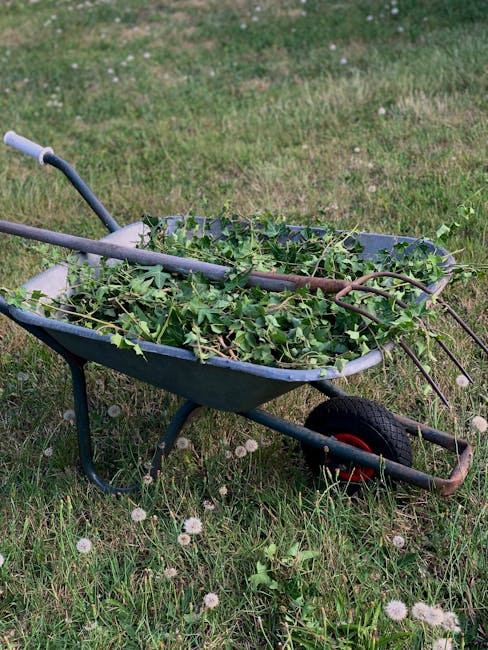
| Wheelbarrow or garden trolley | Moves waste efficiently | Longer distances or heavier loads |
| Tarpaulin or ground sheet | Keeps piles contained | Temporary sorting and dry storage |
| Gloves and sturdy footwear | Protects hands and feet | General handling and collection prep |
If you are choosing between doing it yourself and using a professional collection, think about three things: access, volume, and time. If you have a compact garden with limited waste, DIY may be fine. If the waste is bulky, mixed, or spread across several areas, a dedicated collection is usually less stressful.
For bigger seasonal clear-ups, especially if the garden is part of a wider property tidy, a combined service can be useful. A property in Acton-Ealing or South Ealing, for example, may have garden waste, old shelving, and shed clutter all at once. In that case, a broader disposal plan is often the sensible route.
Law, Compliance, Standards, or Best Practice
Garden waste collection in the UK should be approached with sensible sorting, careful handling, and proper disposal. You do not need to know every detail of waste law to do the right thing, but you do need to avoid dumping mixed waste where it does not belong. That includes keeping garden waste separate from household rubbish and being cautious with anything that may be classed as restricted or non-green waste.
Best practice is straightforward: use a waste collector or disposal method that is suitable for the material, avoid leaving waste in a way that creates a hazard, and make sure access routes stay clear. If you are using a third party, it is wise to ask how they handle sorting and disposal. Clear communication avoids confusion, and confusion is where most mistakes start.
If you are dealing with a rented property, shared courtyard, or managed block, check any local building or tenancy rules before leaving waste out for collection. That sounds obvious, but people skip it. Then they are surprised when the bin store gets full or neighbours complain. Not ideal.
If your load includes more than garden waste - for example, old furniture, broken household items, or leftover renovation material - a mixed rubbish removal or builders waste collection may be more appropriate. The key is matching the waste stream to the service rather than squeezing the wrong material into the wrong process.
Options, Methods, or Comparison Table
There is no single best way to handle garden waste in West London. The right option depends on quantity, waste type, access, and how quickly you want the space cleared.
| Method | Best For | Pros | Watch Out For |
|---|---|---|---|
| DIY bagging and personal transport | Very small volumes | Low cost, flexible timing | Time-consuming, physically demanding |
| Scheduled garden waste collection | Regular green waste only | Simple, tidy, efficient | Less suitable for mixed waste |
| Full waste collection | Garden waste mixed with other clutter | Handles more than green waste | May need more sorting in advance |
| Complete clearance service | Big tidy-ups or combined indoor/outdoor waste | Best for larger jobs and access issues | Requires clearer planning |
For a small garden in Warwick Avenue, the lighter approach may be enough. For a bigger clean-out near Hyde Park or a mixed-property job around Marylebone and Soho, a fuller clearance often makes more sense. The best method is the one that finishes the job without creating a second job.
Case Study or Real-World Example
Here is a realistic spring scenario. A homeowner in West London has a small rear garden that has accumulated winter leaves, a trimmed hedge, a broken plant pot, and a few old grow bags. The first instinct is to put everything into two bins and hope for the best. That would work badly. The bags would be too heavy, the plastic would contaminate the green waste, and the broken pot would create a sharp edge in the pile.
Instead, the garden is split into three zones: green waste, mixed hard items, and reusable tools or containers. The hedge cuttings are shortened, the leaves are bagged separately, and the broken pot is removed with the other non-green items. The collection point is set beside the side gate, not at the back of the garden, which saves a lot of carrying. The whole job ends up taking less time than expected, mainly because the sorting was done properly up front.
That same approach works in denser streets too, including Paddington, Notting Hill, and Fulham, where access can be the real constraint. You do not need a complicated system. Just a sensible one. And maybe a cup of tea halfway through. Honestly, that helps more than people admit.
Practical Checklist
Use this quick checklist before your spring garden waste collection:
- Walk the full garden and identify every waste pile.
- Separate green waste from mixed rubbish, timber, soil, and broken items.
- Cut branches and hedge trimmings down to manageable lengths.
- Use strong bags or tied bundles that are easy to lift.
- Check access routes, gates, and side paths.
- Choose a clear collection point that does not block anything.
- Keep sharp, heavy, or damp material apart where possible.
- Remove reusable items before collection day.
- Confirm whether you need garden-only collection or a wider service.
- Do a final sweep for small debris, labels, and hidden scraps.
If you can tick all of those off, you are already ahead of most spring clear-outs. It really is the little prep that changes everything.
Conclusion
Spring garden waste collection in West London does not need to feel chaotic. The smartest approach is usually the simplest one: sort early, keep green waste separate, make access easy, and choose the right collection method for the volume and type of material you have. Whether you are dealing with a tidy-up in a compact courtyard or a bigger outdoor reset, a bit of planning pays off quickly.
The real win is not just the cleared waste. It is the feeling of getting your garden back before the season properly starts. Once the old cuttings are gone and the paths are clear, the whole space feels lighter. More usable. More yours.
Get a free quote today and see how much you can save.
Frequently Asked Questions
What counts as garden waste in a spring collection?
Garden waste usually includes grass cuttings, hedge trimmings, branches, weeds, leaves, dead plants, and similar organic material. Anything mixed with household rubbish, rubble, or old furniture may need a different collection method.
Can I mix garden waste with general rubbish?
Usually, no. Mixed loads are handled differently and may need a broader waste service. Keeping green waste separate makes collection easier and more predictable.
How should I prepare branches for collection?
Cut long branches into manageable lengths and bundle them securely. Avoid overloading sacks or tying bundles so tightly that they become unsafe to carry.
Is spring the best time for a garden clear-out?
For many people, yes. Spring is when winter debris becomes obvious and new growth starts, so it is a practical time to reset borders, paths, and outdoor storage areas.
What if I have garden waste and broken household items together?
That often means you need a mixed waste solution rather than a garden-only collection. Items like broken pots, old chairs, or plastic storage may need to be separated or handled as part of a wider clearance.
Do I need special bags for garden waste?
Not necessarily special bags, but they should be strong enough for the material you are collecting. Heavy-duty garden sacks or reusable bags are usually better than thin bags that split easily.
How do I avoid making a mess on collection day?
Keep the collection point dry, clear a route in advance, and avoid leaving loose debris around the pile. A quick sweep before collection makes a bigger difference than people expect.
What if my garden is hard to access?
Then access planning becomes the main job. Measure the route mentally, move obstacles, and place the waste where it can be reached without forcing it through narrow or awkward spaces.
Can I use a clearance service for a small garden?
Yes, if the waste is awkward, mixed, or you simply want it done properly. Small gardens can still generate a surprisingly annoying amount of debris.
How do I know whether I need waste removal or waste collection?
If you only have straightforward green waste, a collection service may be enough. If the job includes mixed materials, broken items, or a wider spring tidy-up, a fuller waste removal or clearance option is often more practical.
What should I do with old plant pots and containers?
Reusable pots can be kept aside, while broken or unusable ones may need to be handled with the rest of your mixed waste. Plastic, terracotta, and metal containers should be sorted sensibly rather than thrown in with cuttings.
Is it worth combining garden clearance with other household clearance work?
Often, yes. If you already have clutter in a shed, garage, loft, or spare room, combining jobs can save time and reduce repeat disruption. It is usually less stressful to finish the lot in one organised pass.
For anyone planning a fuller seasonal tidy, it can also help to review garden clearance alongside the rest of the property so you do not miss an awkward pile hiding in the corner. A calm, tidy finish is still the nicest way to start spring.