New Year 2027 Renovation Rubbish Plans for West London Homes
January has a habit of arriving with equal parts optimism and chaos. One minute you are imagining fresh paint, lighter rooms, and a properly sorted home for 2027; the next, you are staring at broken tiles, old cabinets, plaster dust, and a heap of packaging that somehow appeared overnight. If you are planning New Year 2027 Renovation Rubbish Plans for West London Homes, the smartest move is not waiting until the skip is overflowing or the hallway is blocked. It is building a disposal plan before the first wall comes down.
That matters even more in West London, where access can be tight, parking can be awkward, and many homes are flats, terraces, or converted properties with shared entrances. A good renovation rubbish plan keeps the project moving, protects neighbours, and saves you from the classic end-of-job scramble. In this guide, we will walk through how to plan it properly, what to remove when, what to avoid, and how to keep things tidy without turning the renovation into a second full-time job. Simple enough in theory. In real life? A bit messier, which is why planning helps so much.
Table of Contents
- Why New Year 2027 Renovation Rubbish Plans for West London Homes Matters
- How New Year 2027 Renovation Rubbish Plans for West London Homes Works
- Key Benefits and Practical Advantages
- Who This Is For and When It Makes Sense
- Step-by-Step Guidance
- Expert Tips for Better Results
- Common Mistakes to Avoid
- Tools, Resources and Recommendations
- Law, Compliance, Standards, or Best Practice
- Options, Methods, or Comparison Table
- Case Study or Real-World Example
- Practical Checklist
- Conclusion
- Frequently Asked Questions
Why New Year 2027 Renovation Rubbish Plans for West London Homes Matters
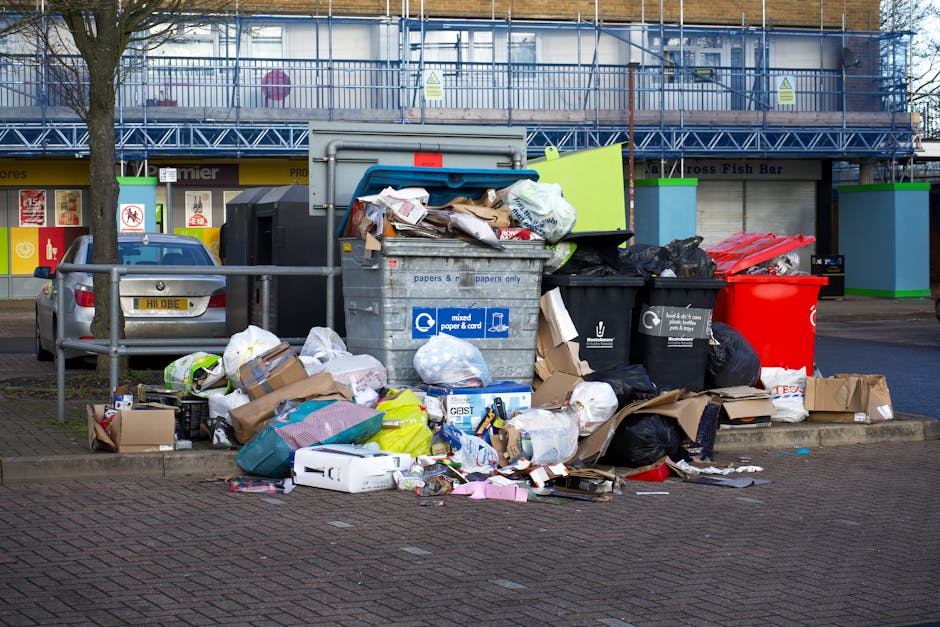
Renovation waste is not just "rubbish". It is a moving part of the project. If you ignore it, it slows everything down. If you plan it well, it becomes almost invisible, which is exactly what you want. A tidy waste strategy keeps tradespeople working, reduces the risk of accidents, and avoids the all-too-familiar pile-up of rubble sacks in the front garden or by the front door.
West London homes bring their own quirks. A compact flat in Fulham may have narrow stairs and no lift. A period house in Hammersmith might produce a surprising amount of plaster and timber once you open things up. A family property near Chiswick or Ealing can create a mix of old furniture, broken fittings, and garden debris in one go. Different homes, same reality: renovation waste grows faster than people expect.
It also matters because the start of the year is when many homeowners want a clean reset. That fresh-calendar feeling can be helpful, but it can also lead to rushing. And rushing usually means poor segregation, missed collection slots, and more mess than necessary. A decent plan gives the project some breathing room.
Expert summary: The best renovation rubbish plan is the one that starts before demolition, separates waste by type, keeps access clear, and matches the collection method to the size and pace of the job.
How New Year 2027 Renovation Rubbish Plans for West London Homes Works
At a practical level, the process is straightforward: identify what will come out of the property, decide how it will be stored temporarily, and choose the most suitable way to remove it. But the details matter. Renovation waste usually arrives in waves, not one neat pile.
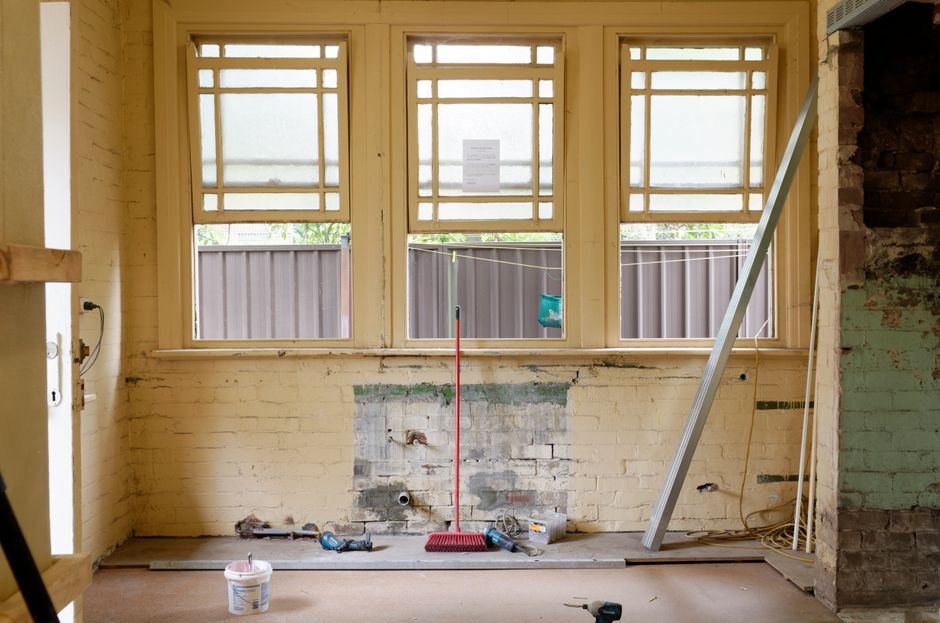
Early in the project you might be dealing with old cupboards, carpets, bathroom fittings, or a worn sofa that has to go before the builders can get in. For that stage, something like furniture disposal or sofa removal can clear valuable space quickly. Once demolition starts, the waste becomes heavier and more varied: bricks, plasterboard, timber, packaging, fixings, and broken tiles. That is where builders waste handling becomes more relevant.
Later, you may need one final sweep to take away the dust-covered leftovers, offcuts, and random bits that always appear at the end. That is the stage where rubbish removal or waste clearance makes the finish look, well, finished. Without it, even a beautifully renovated room can feel half done.
The real trick is sequencing. You do not want plasterboard sitting in the hallway for a week, and you definitely do not want sharp offcuts lying around while someone is carrying a radiator through the room. A sensible removal plan reduces clutter, but it also reduces stress. Let's be honest, that part is worth quite a lot during a renovation.
Key Benefits and Practical Advantages
A well-planned rubbish strategy does more than keep things tidy. It changes how the whole renovation feels day to day.
- Safer working conditions: Fewer trip hazards, less loose debris, and clearer walkways for trades and household members.
- Better project flow: Builders and decorators can work faster when materials and waste are not fighting for the same space.
- Less neighbour disruption: Especially important in mansion blocks, terraces, and shared-access properties across West London.
- Cleaner handover: The final stage looks more professional when waste is removed promptly rather than left "for later".
- Smarter use of space: In flats and smaller homes, removing waste in stages can free up rooms that would otherwise become storage zones.
- Lower stress: You are not making repeated emergency decisions about bags, piles, and last-minute lifts to the kerb.
There is also a financial advantage, though it is often indirect. A clear plan can reduce delays, minimise the chance of damage, and stop people from over-ordering removal capacity. That means less backtracking. And backtracking, frankly, is expensive in time if not in money.
For larger home projects, especially where whole rooms are stripped out, the difference between "managed waste" and "chaos with bags" is noticeable. It shows in the pace of the renovation, the cleanliness of the site, and the mood of everyone involved.
Who This Is For and When It Makes Sense
This kind of planning is useful for almost any home renovation, but it is especially valuable if your project involves more than a quick cosmetic update. If you are replacing a kitchen, refitting a bathroom, opening up a living space, or clearing an inherited property before works begin, waste planning should sit near the top of the list.
It is a strong fit for:
- homeowners managing a refurbishment in a terraced house or flat
- landlords refreshing a rental between tenancies
- people renovating after a purchase or probate clearance
- families doing phased work while still living in the property
- anyone with bulky items to remove before builders arrive
It also makes sense when access is difficult. West London homes often have tight stairwells, controlled parking, or limited outside storage. In places such as West Kensington, West Ealing, Maida Hill, or Notting Hill, a small access problem can turn into a big headache if waste is not removed regularly. To be fair, it only takes one blocked doorway to slow the whole job down.
If the renovation is tiny, like one room and a few bags of packaging, you may not need a complex system. But once you cross into demolition, strip-out, or multiple deliveries, planning stops being optional. It becomes common sense.
Step-by-Step Guidance
1. List everything that will leave the property
Start with a room-by-room sweep. Include fixed items, loose furniture, old flooring, broken appliances, packaging, and garden waste if the project touches outdoors too. Many people forget the "small stuff" and then wonder why the pile is bigger than expected. Screws, offcuts, cardboard, underlay, old curtain rails - all of it adds up.
2. Separate waste by type before the work starts
Try to split waste into categories such as bulky household items, renovation debris, green waste, and general rubbish. This helps you decide what can be moved together and what needs a separate approach. A few minutes of sorting at the beginning can save an hour of untangling at the end. Honestly, it usually does.
3. Decide where waste will be staged
Pick a staging point that will not block your main route, damage flooring, or create a mess in a shared space. In a flat, that might be a protected corner near the entrance. In a house, it may be the driveway, side return, or garage. If you are already thinking of clearing that area too, garage clearance can be a practical starting point.
4. Match the removal method to the waste volume
Some jobs are small enough for a one-off collection. Others are better handled in stages. If your renovation is producing several bulky items and heavy materials, staged rubbish collection can keep the property usable. For a larger mixed load, a fuller waste removal approach may be easier.
5. Schedule removal before the waste builds up
Do not wait until the end unless the project is tiny. The cleaner your work area stays, the easier the rest of the renovation becomes. A mid-project clearance after demolition, and another near completion, often works better than one huge final purge. It is not glamorous, but it works.
6. Finish with a final sweep
When the final fitting goes in, do a last check for dust-covered packaging, broken offcuts, and small bits hiding behind radiators or under shelving. This is where a final rubbish clearance can give the space that clean, ready-to-use feeling. The room should feel calm, not like a waiting area for the next stage.
Expert Tips for Better Results
Small decisions make a big difference in renovation waste planning. These are the ones that tend to help most.
- Use the first day wisely. If you can remove old furniture or clear a spare room before demolition begins, do it. A clear launch makes the rest smoother.
- Keep a "do not touch" zone. Protect anything you are reusing. One misplaced chunk of plaster can ruin a perfectly good floorboard. It happens.
- Flatten and bundle where possible. Cardboard, packaging, and lightweight waste take up far less room when compressed properly.
- Protect shared areas. In flats and converted homes, cover floors and keep entry routes tidy. Neighbours remember the mess more than the improvement, annoying but true.
- Choose timings that fit the street. Early-morning disruption on a quiet West London road can create unnecessary friction.
- Think about the final load before the first strike. If you know a bathroom rip-out will create heavy rubble, plan where it will go and how it will be lifted out.
A small bit of lived-in advice: if you are unsure whether an item is worth storing "just in case", it usually is not. Renovations are famous for creating temporary storage piles that somehow become permanent. The room does not thank you for that.
Common Mistakes to Avoid
The most expensive rubbish mistakes are often boring ones. They are easy to make, which is why they show up so often.
Leaving waste planning until after demolition starts
This is the classic one. The contractor begins stripping a room, waste piles up, and suddenly you are making rushed decisions about where to put everything. The work then slows down because nobody can move freely. Planning first avoids that mess.
Underestimating volume
Old plaster, timber, packaging, and fixtures always take more space than expected. One small room can generate a surprising amount of material. If you are clearing a whole property in a place like Hyde Park or Bayswater, the total can escalate fast.
Mixing everything together
When different waste types are dumped into one pile, removal becomes harder and often less efficient. Some items need separate handling for practical or safety reasons. Keep the categories as clean as possible.
Blocking access routes
It sounds obvious, but it happens all the time. Waste left in hallways, on stairs, or by doors slows the job and creates a hazard. If people have to climb over debris, the plan is already failing.
Forgetting about bulky leftovers
People remember rubble, then forget the old wardrobe, broken sofa, or garden bench sitting in the side return. If you are dealing with large items, a specific service such as home clearance can be more practical than trying to deal with the pieces one by one.
Tools, Resources and Recommendations
You do not need fancy equipment to manage renovation rubbish well. A few simple tools and habits go a long way.
- Heavy-duty rubble sacks: useful for compact, manageable loads and debris that would tear standard bags.
- Dust sheets and floor protection: not rubbish tools exactly, but they reduce accidental mess that later has to be cleaned or thrown away.
- Labels or marker pens: helpful if you are separating waste into categories for different collection stages.
- A tape measure: useful when checking whether bulky items will fit through a hallway or doorway before removal day.
- A notebook or phone list: keep a simple log of what is leaving the property and when.
For larger household projects, it can also help to think in terms of disposal routes rather than just "removal". For example, waste disposal is a broad planning term, while waste collection can be the practical step that keeps a project on track. If you have sofas, wardrobes, or other oversized pieces, specific services like furniture disposal can stop them becoming the awkward thing everyone ignores for three weeks.
And if your renovation spreads beyond the house itself, don't forget the outside areas. Overgrown corners, broken plant pots, or old fence offcuts can be dealt with through garden clearance. The back area often turns into the quiet dumping ground during a renovation. Easy to do, easy to forget.
Law, Compliance, Standards, or Best Practice
For home renovation waste in the UK, the safest approach is to treat waste handling seriously from the start. You do not need to overcomplicate it, but you should avoid casual assumptions. If a waste carrier is used, check that the service is legitimate and that the material is being handled responsibly. That is standard good practice, not an optional extra.
If you are storing debris outside your home, remember that shared pavements, front gardens, and access points can create problems for neighbours and passers-by. In West London, where many streets are busy and parking is tight, keeping access clear is more than courtesy - it is part of sensible site management.
Some materials need extra care. Broken glass, sharp metal, treated timber, old paint tins, and mixed demolition debris should be handled carefully. If in doubt, separate questionable items rather than bundling them in with general waste. It is a simple habit, but a good one.
For flats and managed buildings, also respect building rules. Concierge access, lift bookings, and loading restrictions can matter as much as the waste itself. A lovely renovation can become a very awkward conversation if the corridor is blocked on a weekday morning. Nobody wants that.
Options, Methods, or Comparison Table
Different renovation jobs suit different removal methods. Here is a practical comparison to help you choose the right approach.
| Method | Best For | Strengths | Watch Outs |
|---|---|---|---|
| One-off rubbish collection | Small to medium loads, light refurbishment waste | Simple, quick, low fuss | May not suit heavy or mixed debris |
| Staged rubbish removal | Projects that produce waste over several days or weeks | Keeps the property clear throughout the works | Needs more planning and timing |
| Builders waste clearance | Demolition, strip-out, and heavier renovation material | Better suited to rubble, plaster, and construction debris | Requires careful loading and access |
| Full waste clearance | Mixed household and renovation rubbish | Good for end-of-project clean-up | Can be overkill for tiny jobs |
In short: small cosmetic updates usually need light-touch collection, while kitchen refits, bathroom rip-outs, and whole-room refurbishments need a more structured approach. If you are somewhere in the middle, use the simplest method that still keeps the site clear. That is usually the sweet spot.
Case Study or Real-World Example
Imagine a two-bedroom flat in Warwick Avenue being refreshed at the start of 2027. The owners want new flooring, a redesigned kitchen, and the removal of an old sofa and dining set before work begins. Access is via a shared hallway, there is no lift, and parking is limited. Quite normal for the area, really.
The practical solution is to split the job into stages. First, the bulky furniture goes out so the rooms can be measured and stripped. Next, the builders remove old kitchen units and flooring, creating mixed debris that is collected before it spreads through the flat. Finally, a clean-down takes care of the packaging, dust-covered scraps, and anything left behind once the fitting work is complete.
What made the difference was not speed alone. It was order. Each stage was planned around the flat's access limits, so the hallway stayed usable and the neighbours were not dealing with a mess for days. The owners got the fresh start they wanted without the renovation taking over the whole building. A small thing, maybe, but it makes the whole project feel calmer.
Practical Checklist
Use this checklist before the first hammer swings.
- List all items due to leave the property
- Separate furniture, rubble, green waste, and general rubbish
- Measure access routes, stairwells, and doorways
- Protect floors and shared areas
- Plan where waste will be staged temporarily
- Book collections to match the renovation timetable
- Keep sharp, heavy, and fragile items apart where possible
- Confirm building or street access rules if you live in a flat or managed block
- Leave a final clearance slot for end-of-job leftovers
- Check the site is clean before sign-off
If you can tick all of those off, you are already ahead of most renovation jobs. Seriously. Most of the problems happen because people skip the boring middle part.
Conclusion
New Year 2027 Renovation Rubbish Plans for West London Homes are not just about getting rid of mess. They are about keeping a project safe, tidy, and realistic from the first day to the last. When waste is planned properly, the renovation feels smaller, cleaner, and easier to live with. When it is ignored, even a modest upgrade can turn into a cluttered headache.
For West London properties, the details matter even more: access, neighbours, property type, and timing all shape the best approach. The good news is that most of it is manageable with a clear checklist and the right collection method at the right stage. A little structure goes a long way, and it often makes the whole job feel more manageable than you feared.
If you are about to start work, take ten minutes now to map the waste side of the project. Future-you will be grateful. Probably very grateful.
Get a free quote today and see how much you can save.
Frequently Asked Questions
What are New Year 2027 Renovation Rubbish Plans for West London Homes?
They are simple waste-management plans for home renovation projects starting in or around New Year 2027. The goal is to organise removal of furniture, building debris, packaging, and general rubbish so the renovation runs safely and smoothly.
Do I need a rubbish plan for a small renovation?
If the job is truly tiny, maybe not a detailed one. But even small renovations produce more waste than people expect. A basic plan still helps you avoid clutter, blocked access, and last-minute stress.
What kind of waste comes from a typical home renovation?
Usually a mix of old furniture, broken fittings, plaster, timber, packaging, tiles, carpet, and general debris. If the project includes outside space, you may also have garden waste or damaged outdoor items.
How do I know whether I need builders waste or general rubbish removal?
If the waste is mostly rubble, plaster, wood offcuts, or demolition material, builders waste handling is usually the better fit. If it is a mixed load of household items and renovation leftovers, general rubbish removal may be more suitable.
Can renovation rubbish be removed in stages?
Yes, and in many West London homes that is often the smartest approach. Staged removal keeps the property usable, prevents clutter build-up, and makes access easier for tradespeople.
What is the biggest mistake homeowners make with renovation waste?
Leaving it until the end. Once waste piles up, the project becomes slower, messier, and more frustrating. Planning before demolition starts is far easier than trying to rescue a crowded hallway later.
How do I deal with bulky furniture before a renovation begins?
Remove it early so the rooms are clear for measuring, stripping out, and decorating. Services such as furniture disposal or sofa removal are especially useful for large items that are hard to shift on your own.
Is it better to clear everything at once or bit by bit?
That depends on the project size. Small jobs may be fine with one clearance, but larger refurbishments usually work better with a few timed collections. Bit by bit often feels less chaotic and keeps the house easier to live in.
What should I do with waste if I live in a flat?
Check access rules, protect communal areas, and keep hallways clear. In flats, waste can become a shared-space problem very quickly, so timing and tidy staging matter more than people often expect.
How can I reduce mess during a renovation?
Use dust protection, separate waste categories, remove bulky items early, and schedule clearance before the pile gets too big. A clean staging area usually leads to a cleaner renovation overall.
Can garden waste be part of a home renovation clear-out?
Yes, especially if the project includes landscaping, fence work, or clearing an outdoor store area. Garden clearance can be useful when the outside space has become part of the renovation zone.
What should I ask before booking a waste removal service?
Ask what types of waste they handle, how access is managed, whether the collection can be timed to match your project, and what happens to mixed loads. Clear answers usually mean a smoother job.
How far in advance should I plan renovation rubbish removal?
Ideally before work begins. Even a short lead time helps you work out waste volume, access, and staging space. If the renovation is starting in a busy period, a bit of advance planning is very useful.
Why is this especially relevant in West London?
Because many West London homes have tighter access, shared entrances, controlled parking, or smaller internal spaces. That makes waste planning more important than it might be in a larger, more open property.