Case Study: Chiswick Warehouse Junk Removal, Before & After
If you have ever walked into a warehouse and thought, "Right, where do we even begin?", this article is for you. A Chiswick warehouse junk removal project can go from chaotic to clean surprisingly quickly when it is planned well, handled safely, and cleared with the right disposal approach. In this case study style guide, we look at the before and after journey, what typically changes during a warehouse clearance, and why the end result matters far beyond just a tidy floor. You will also see how a good clearance links into wider services such as rubbish removal, waste clearance, and even broader site reset work across West London.
Truth be told, warehouse clearouts are rarely about "junk" alone. They usually involve old shelving, broken stock, pallet waste, unwanted furniture, mixed materials, and the awkward bits that no one wants to deal with. Let's break it down in a way that is useful, honest, and actually helpful.
Table of Contents
- Why Case Study: Chiswick Warehouse Junk Removal, Before & After Matters
- How Case Study: Chiswick Warehouse Junk Removal, Before & After Works
- Key Benefits and Practical Advantages
- Who This Is For and When It Makes Sense
- Step-by-Step Guidance
- Expert Tips for Better Results
- Common Mistakes to Avoid
- Tools, Resources and Recommendations
- Law, Compliance, Standards, or Best Practice
- Options, Methods, or Comparison Table
- Case Study or Real-World Example
- Practical Checklist
- Conclusion
- Frequently Asked Questions
Why Case Study: Chiswick Warehouse Junk Removal, Before & After Matters
A before-and-after warehouse clearance is more than a visual transformation. It shows how operational space, safety, and workflow improve when clutter is removed properly. In Chiswick, where many businesses operate on tight schedules and in mixed-use commercial areas, a messy warehouse can quickly become a bottleneck. Staff spend longer finding stock, forklifts have awkward routes, and unused items start to eat into valuable floor space.
That is the real reason this kind of case study matters. It turns an abstract service into something measurable: better access, clearer aisles, safer movement, and a warehouse that is easier to manage the very next day. You can see the difference in seconds, but the value often lasts for months.
Warehouse junk removal also matters because it often reveals hidden problems. Damp behind stacked materials. Unsafe leaning items. Waste mixed with reusable goods. Broken furniture tucked into a corner because "we'll deal with it later". We've all seen the later part, and it tends to be never.
For businesses in Chiswick, this is also tied to reputation. A clean loading bay or storage area sends the right signal to staff, contractors, and clients. If you are also managing waste from refurbishments, it can make sense to look at builders waste clearance as part of the wider plan. One job, neatly done, often prevents three follow-up headaches.
Expert takeaway: the "before and after" is not just a photo opportunity. It is a practical sign that the site is safer, faster to use, and easier to keep under control.
How Case Study: Chiswick Warehouse Junk Removal, Before & After Works
Warehouse clearance follows a simple principle, but the execution needs care. First, the site is assessed. Then waste is separated. After that comes lifting, loading, recycling, and disposal. The actual sequence can vary depending on whether the warehouse contains general junk, business waste, bulky furniture, or mixed material from a move or fit-out.
A good clearance usually starts with a quick walk-through. What is going out? What needs to stay? What is fragile, valuable, or confidential? In a busy warehouse, those questions matter because one careless decision can create a mess that is worse than the original clutter.
From there, the team sets a removal plan. Heavy items may need two people or more. Sharp edges, old metal racking, and broken pallets are handled with extra caution. If there are office sections inside the warehouse, the work can overlap with office clearance. If seating or upholstered items need to go, sofa removal may be relevant too. It depends on what is actually on site, not what sounds neat in a brochure.
Then comes the clean-up. This is the bit people notice most in the after photos: open floor space, visible loading access, and edges you can actually walk around without side-stepping boxes every three seconds. The change can be dramatic, even if the job itself was fairly straightforward.
Key Benefits and Practical Advantages
The obvious benefit is that the warehouse looks better. Fair enough. But the deeper advantages are usually what make the service worthwhile.
- More usable space: removing redundant items immediately frees up storage, movement, and work areas.
- Better safety: clutter, unstable stacks, and loose waste are common trip and snag hazards.
- Cleaner workflow: staff can load, sort, and move stock without constantly weaving around obstacles.
- Faster operations: less clutter means less searching, less shuffling, and fewer delays.
- Professional presentation: useful if contractors, landlords, or potential tenants are visiting.
- Better waste handling: items can be sorted for disposal rather than dumped together in one overfull pile.
Another practical advantage is flexibility. A clearance can be scaled to the exact job. That might mean a small section of dead stock one week, then a larger reset after a relocation or stock review. A lot of businesses underestimate how much this matters. They put it off, and then all of a sudden they cannot get to the back wall without moving seven things to move one thing. Not ideal.
For mixed-use premises, pairing the job with rubbish clearance or waste removal often keeps the process tidy and more efficient. That is especially true when there are different waste streams to manage.
Who This Is For and When It Makes Sense
Warehouse junk removal is not only for huge industrial units. Smaller storage spaces, trade depots, e-commerce stockrooms, and workshop-style premises can all benefit. If the area is starting to feel cramped, disorganised, or unsafe, the timing may already be right.
This kind of clearance makes sense when you are:
- preparing for a move or relocation
- clearing old stock or obsolete materials
- resetting a space after renovation or repair
- making room for new shelving or equipment
- handing the unit back to a landlord
- trying to improve health and safety conditions
- dealing with mixed waste that has built up over time
It also makes sense when you are dealing with awkward, bulky, or oddly shaped items that do not fit standard collection routines. Think broken racking, damaged furniture, surplus fixtures, or hard-to-lift equipment. In those cases, services like furniture disposal can be useful alongside a more general warehouse clearance.
And yes, some jobs start with "we only have a few things to move" and end with a full van load. Happens more often than people admit.
Step-by-Step Guidance
If you are planning a Chiswick warehouse clearance, a simple process will save you time and stress. Here is the approach that works best in real life.
- Survey the space properly. Walk the warehouse and note what is going, what is staying, and what needs special handling.
- Separate categories early. Keep recyclable materials, general junk, reusable items, and sensitive materials apart where possible.
- Remove the obvious bulk first. Big items clear room for smaller sorting work and make the site safer to move through.
- Handle heavy and awkward items carefully. Racking, metal, and loaded shelving can shift in ways you would not expect.
- Load by waste type. This helps with efficient disposal and makes the next stage cleaner.
- Do a final sweep. Check corners, behind pallets, under shelving, and around loading areas.
- Confirm the after-state. Make sure the site is ready for its next use, whether that is storage, repairs, or handover.
That last step sounds obvious, but it is the one people skip. Then they realise later there is a loose pile near the shutter or a forgotten stack beside the emergency exit. Small things. Big irritation.
If the warehouse forms part of a larger commercial footprint, it can also help to review whether related support is needed through business waste or waste collection. One plan, one clean result.
Expert Tips for Better Results
A good clearance is rarely about brute force. It is about timing, sequencing, and knowing where the common traps are.
- Book when the site is least active. If staff and vehicles are constantly crossing the area, the job takes longer and becomes riskier.
- Label keep, remove, and unsure. That tiny third category is useful. It stops rushed decisions.
- Measure access points in advance. Door widths, stair turns, loading bay restrictions, and parking can all change the plan.
- Keep breakable and confidential items separate. Even in a warehouse, not everything should be treated as generic junk.
- Do not mix everything together. Once waste streams are blended, the job can become slower and less efficient.
- Leave a clear route to the exit. This keeps the area workable while clearance is ongoing.
One simple but often overlooked tip: take a few photos before the job starts. Not for drama, just for reference. They help with planning, and later they make the after result more convincing. A proper before and after speaks for itself.
Common Mistakes to Avoid
Warehouse clearouts go wrong in predictable ways. Avoid these and you are already ahead of the game.
- Assuming everything can go in one pile. Mixed waste creates sorting problems and may complicate disposal.
- Leaving the plan too late. A rushed clearance usually costs more time and causes more disruption.
- Ignoring access issues. A perfectly planned job can still stall if the loading point is blocked.
- Forgetting heavy-item risks. Old shelving and stacked materials can be unstable, and that is no joke.
- Skipping the final check. Small overlooked items can undermine an otherwise successful cleanup.
- Not deciding what "done" means. Is the goal a cleared floor, a handover-ready site, or a full reset? Be clear.
Another common problem is overconfidence. Someone says, "We can do this ourselves in an afternoon." Sometimes that is true. Often it is optimistic bordering on heroic. If the warehouse is already half-full and tight on access, a professional clearance approach is usually the calmer option.
Tools, Resources and Recommendations
You do not need a huge toolkit, but the right basics make a warehouse job smoother and safer. Good gloves, sturdy footwear, sack trucks, pallet trucks, trolleys, basic straps, and clear labelling materials all help. If you are sorting items before removal, bins or designated zones for different waste types are worth their weight in gold.
For larger jobs, the most useful "resource" is a proper process. That usually means:
- a simple room or zone plan
- clear labels for keep/remove/sort
- safe lifting methods
- appropriate vehicle capacity
- planned disposal route for each waste stream
Depending on the type of items inside the warehouse, you may also need related support services. For example, garage clearance can be relevant when storage spaces become catch-all areas for overflow. And if the cleanup includes bulky domestic-style items from staff areas or mixed premises, home clearance or flat clearance may be useful references for how mixed-item removals are handled.
For a more general overview of the company and service approach, you can also read about us. It helps set expectations before the work begins.
Law, Compliance, Standards, or Best Practice
With warehouse clearance, compliance matters even when the job looks simple. You do not need to turn it into a legal essay, but you do need to handle waste responsibly and safely. In the UK, businesses are expected to use proper disposal routes, avoid fly-tipping, and keep waste movements controlled. If your premises generate commercial waste, you should be careful about who removes it and where it goes.
Best practice usually includes:
- sorting waste before removal where practical
- keeping walkways and exits clear during the job
- protecting staff and contractors from lifting hazards
- ensuring confidential or sensitive material is handled appropriately
- using suitable disposal methods for different waste types
If you are unsure whether a mixed load should be treated as general waste, business waste, or something more specific, pause and check before loading it blindly. That one pause can save a lot of trouble later.
It is also sensible to keep a record of what was removed, especially for larger clearouts or tenancy handovers. Nothing fancy. Just enough to show the job was handled properly. For customers who want to understand the broader approach to standards and service terms, the site's terms and conditions and privacy policy can help clarify how information and service expectations are managed.
Options, Methods, or Comparison Table
There are a few ways to handle warehouse junk removal. The right choice depends on volume, urgency, access, and the type of items involved.
| Method | Best for | Pros | Limits |
|---|---|---|---|
| DIY clearance | Very small, low-risk jobs | Flexible, immediate, low direct cost | Time-heavy, physical strain, disposal can be awkward |
| Scheduled collection | Predictable, separated waste streams | Good for planning and routine disposal | Less suited to urgent or bulky clearouts |
| Full service clearance | Mixed junk, heavy items, time-sensitive jobs | Efficient, safer, less disruption | Usually needs more coordination up front |
In many Chiswick warehouse jobs, a full-service approach is the most practical. Why? Because cluttered storage spaces are rarely neat categories. They are mixed, awkward, and often heavier than expected. If you need a cleaner, wider disposal route after the removal, waste disposal is the right idea to keep in mind.
Case Study or Real-World Example
Here is a realistic example based on the kind of work often carried out in Chiswick. A warehouse had accumulated old display stands, broken shelving, redundant packing materials, damaged stock returns, and a few pieces of unwanted office furniture near the back wall. The space was still usable, but only just. Staff had to step around piles, and the loading area was getting tight.
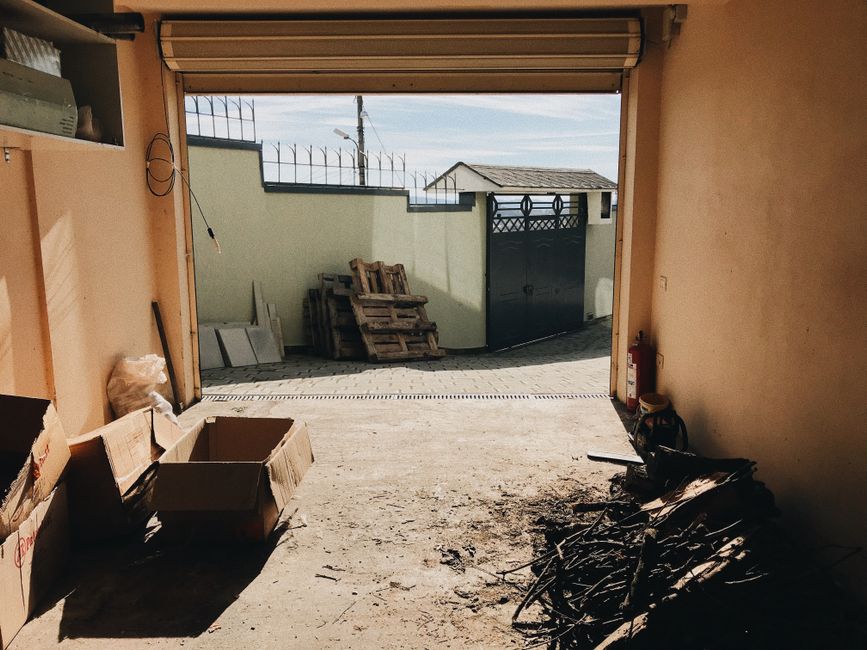
Before the clearance, the site looked tired and half-blocked. You could smell that familiar mix of dust, cardboard, and old timber. Nothing alarming, just one of those spaces that silently tells you it has been ignored for too long. The client wanted the area cleared before a new layout was installed. Sensible decision.
The work started with sorting what could stay and what had to go. Heavy shelving went first, then mixed rubbish, then the bulkier items. Smaller waste was collected as the larger items were removed, which made the whole area feel lighter as the job moved along. By the end, the floor was visible almost everywhere. The loading route was open. The client could see where new storage would fit, and that visual clarity alone made the job feel worthwhile.
That is the thing about a proper before and after: the "after" is not just clean. It is usable. And usable space changes how a business feels from the inside.
If you are comparing the Chiswick result to other local work, the same principles often apply across nearby areas such as Hammersmith, Fulham, and Ravenscourt Park. Different streets, same practical need: get the place back under control.
Practical Checklist
Use this checklist before a warehouse clearance. It keeps things grounded.
- Identify what must stay and what must go
- Check access, parking, and loading space
- Separate heavy items from general junk
- Decide how mixed waste should be handled
- Clear walkways and exits first
- Protect fragile or sensitive items
- Plan the removal order from largest to smallest
- Do a final sweep before sign-off
- Confirm the area is ready for its next use
Quick summary: the best warehouse clearouts are planned around safety, access, and waste type. If those three are sorted, everything else is much easier. Honestly, that is most of the battle.
Conclusion
Case Study: Chiswick Warehouse Junk Removal, Before & After shows how a messy, crowded, hard-to-use storage space can become a practical, open, and safer working area with the right approach. The main lesson is simple: the value is not only in removing junk, but in restoring function. More room, fewer hazards, better flow, and a cleaner reset for the business.
Whether you are clearing dead stock, old shelving, mixed rubbish, or bulky furniture, the best results come from a clear plan and the right disposal route. Small jobs stay manageable. Bigger jobs stay controlled. And the after photo? That is usually the easy part once the groundwork is done.
If your warehouse is starting to feel a bit too full, now is the right time to act. A cleaner floor is a calmer floor, and that changes everything about the day that follows.
Get a free quote today and see how much you can save.
Frequently Asked Questions
What does a warehouse junk removal case study actually show?
It shows the practical change from cluttered, blocked, or inefficient space to a cleared area that is safer and easier to use. The before and after helps you understand the process, not just the final result.
How long does a Chiswick warehouse clearance usually take?
That depends on access, volume, and item type. A small clearout may be relatively quick, while a full mixed-material warehouse job can take longer. The right answer is usually "it depends", which is a bit annoying but true.
Can warehouse junk removal include heavy items like shelving and racking?
Yes, if the items can be moved safely and the removal plan accounts for their weight and size. Heavy shelving often needs extra care, proper lifting, and a clear route out of the building.
Do I need to sort everything before the clearance starts?
Not always, but some basic sorting helps a lot. At minimum, it is useful to separate keep, remove, and unsure items. That alone prevents a lot of accidental mistakes.
Is warehouse junk removal the same as business waste collection?
Not quite. Business waste collection is usually more routine and may suit standard waste streams, while warehouse junk removal tends to involve bulkier, mixed, and less predictable items.
What should I do with old office furniture in a warehouse?
Old desks, chairs, and storage units can often be removed alongside the main clearance. In many cases, furniture disposal is the cleanest way to handle these items without slowing down the rest of the job.
Why is before-and-after documentation useful?
It helps demonstrate the value of the clearance, confirms what was achieved, and can be useful for handovers, internal records, or planning future space use. It also makes the progress obvious, which people tend to appreciate.
Are warehouse clearouts safe to do without professional help?
Small, simple jobs may be manageable in-house, but larger or heavier clearouts can be risky. If there are unstable stacks, sharp materials, or awkward access points, a professional approach is usually safer.
What kind of waste is common in warehouse clearouts?
Common items include cardboard, packing waste, broken pallets, obsolete stock, damaged fixtures, metal shelving, furniture, and mixed general junk. Some sites also have refurbishment debris or office overflow.
How do I know whether I need rubbish removal or waste disposal support?
If the main challenge is getting items physically off site, rubbish removal may be the right focus. If the challenge is making sure the items are handled and disposed of properly, waste disposal becomes the bigger consideration.
Can a warehouse clearance be done around normal business hours?
Sometimes yes, but it depends on the level of disruption, access requirements, and how busy the site is. Many businesses prefer quieter windows to keep the job smoother and safer.
What is the biggest mistake people make before a warehouse clearance?
The biggest mistake is underestimating the volume and complexity of the job. What looks like a few piles can turn into a full site reset once the space is opened up. Happens all the time.